

Car-Jackings & Road Rage in Boston
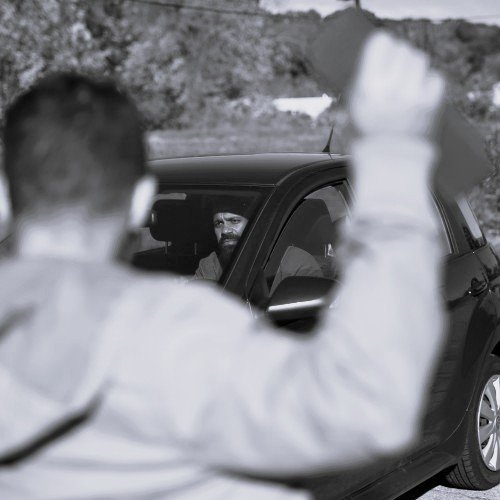 Carjackings, road rage, and parking-space disputes in Boston reveal a different face of urban violence. One that plays out not in back alleys or drug corners, but on the
city’s roads, intersections, and cramped residential streets. Whilst less organized than gang or
drug crime, these incidents share similar roots: stress, congestion,
frustration, and a cultural tendency toward confrontation in an environment where space and patience are scarce. In recent years, Boston and its surrounding cities have
experienced an uptick in such offenses, reflecting both post-pandemic driving behavior and broader social tensions that can turn everyday conflicts into moments of serious
violence.
Carjackings, road rage, and parking-space disputes in Boston reveal a different face of urban violence. One that plays out not in back alleys or drug corners, but on the
city’s roads, intersections, and cramped residential streets. Whilst less organized than gang or
drug crime, these incidents share similar roots: stress, congestion,
frustration, and a cultural tendency toward confrontation in an environment where space and patience are scarce. In recent years, Boston and its surrounding cities have
experienced an uptick in such offenses, reflecting both post-pandemic driving behavior and broader social tensions that can turn everyday conflicts into moments of serious
violence.
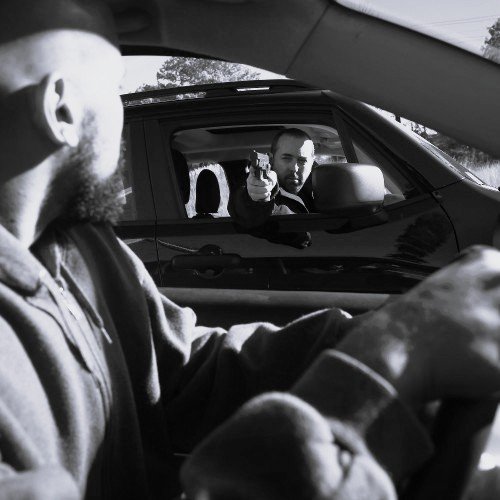
Carjackings, once rare in Boston and Massachusetts, have drawn growing concern since 2020. The Boston Police Department and Massachusetts State Police reported a measurable rise in carjacking attempts during the early pandemic years, paralleling trends in many U.S. cities. A 2022 Boston Police data review found that incidents classified as armed or aggravated vehicle thefts increased by more than 30% from 2019 levels. Whilst the absolute number remained small compared with shootings or burglaries, the brazenness of many incidents has unsettled city residents. Offenders have often targeted delivery drivers, rideshare workers, or motorists idling at traffic lights, groups rendered more visible and vulnerable by changes in pandemic-era mobility.
Notably, several Boston-area carjackings involved juveniles or young adults acting impulsively rather than career criminals. In Dorchester and Mattapan, police reports described groups of teenagers approaching drivers at gunpoint or with implied weapons, seizing vehicles, and abandoning them within hours. One 2023 incident involved a DoorDash driver whose car was taken whilst he was making a delivery; police later recovered the vehicle nearby, leading to arrests of two minors. Investigators said the suspects’ motive was thrill-seeking rather than organized theft. Nonetheless, the use of force and intimidation placed the incidents within the statutory definition of carjacking, a felony carrying severe penalties under Massachusetts General Laws Chapter 265, Section 21A.
 The relative youth of many offenders reflect an opportunistic pattern rather than a structured crime market. Unlike organized car-theft rings seen in larger metro areas, Boston’s
carjackings rarely end with vehicles being stripped or resold; most are quickly recovered after being abandoned. Police analysts and criminologists attribute this to the city’s tight
geography, dense surveillance camera network, and license plate readers, which make long-term theft operations difficult. However, the increase in short-lived but violent vehicle
thefts underscores a broader criminological point: when impulsive youth behavior combines with access to weapons and minimal fear of consequences, serious crimes can erupt from
seemingly trivial encounters.
The relative youth of many offenders reflect an opportunistic pattern rather than a structured crime market. Unlike organized car-theft rings seen in larger metro areas, Boston’s
carjackings rarely end with vehicles being stripped or resold; most are quickly recovered after being abandoned. Police analysts and criminologists attribute this to the city’s tight
geography, dense surveillance camera network, and license plate readers, which make long-term theft operations difficult. However, the increase in short-lived but violent vehicle
thefts underscores a broader criminological point: when impulsive youth behavior combines with access to weapons and minimal fear of consequences, serious crimes can erupt from
seemingly trivial encounters.
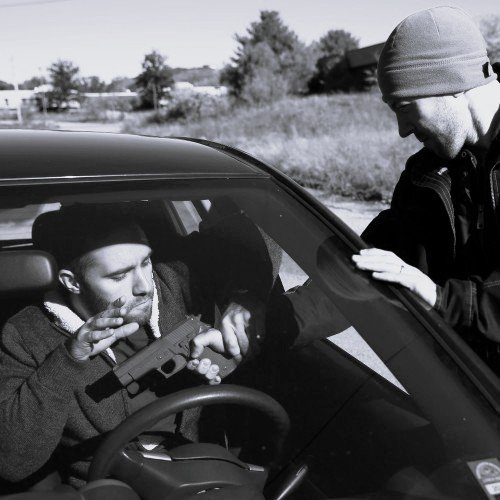
Road rage incidents in Boston are even more frequent, often falling short of felony thresholds but posing chronic risks of escalation. The city’s notorious traffic congestion, aggressive driving culture, and shortage of parking contribute to a combustible environment. In 2024, Boston was ranked amongst the top ten U.S. cities for driver stress levels by a national insurance survey, and police data show a steady number of assault-and-battery cases linked to traffic disputes each year. Road rage episodes range from verbal altercations and physical fights to deliberate vehicle ramming or weapon brandishing.
One widely reported case in 2022 involved a man on the Massachusetts Turnpike who fired multiple shots at another motorist after being cut off; no injuries occurred, but the suspect was charged with assault with a dangerous weapon and firearms offenses. Another 2023 case in Quincy, just south of Boston, saw two drivers pull into a gas station after an argument on Route 3A, where one struck the other with a tire iron. In both instances, police described the triggers as trivial e.g., an aggressive lane change, a horn blast etc., but the consequences were nearly lethal. Such events mirror national data showing that road rage shootings have risen sharply since 2020, fueled by increased gun ownership and post-pandemic anxiety.
In the city of Boston, most road rage incidents do not involve firearms, but the level of aggression remains high. The Boston Police Department routinely handles calls in which drivers exit their vehicles to confront one another in traffic or at intersections. Officers report that stressors unique to the city such as narrow colonial-era roads, chronic double-parking, and limited enforcement of no-standing zones, contribute to daily tension. For many residents, driving in Boston requires what locals half-jokingly call “combat readiness,” a term that captures both the skill and hostility demanded by the city’s road network.
 Closely related to road rage are disputes over parking spaces, a form of micro-territorial conflict that sometimes turns violent. Boston’s long-standing “space saver” tradition, in which
residents reserve parking spots they’ve shoveled out after snowstorms by placing chairs or cones, is both a cultural quirk and a perennial source of friction. Whilst the city technically
bans space savers 48 hours after snow emergencies end, enforcement is inconsistent and fights occasionally break out when someone moves another person’s placeholder. Each winter brings
viral videos and police reports of threats, vandalism, and assaults linked to these territorial rituals.
Closely related to road rage are disputes over parking spaces, a form of micro-territorial conflict that sometimes turns violent. Boston’s long-standing “space saver” tradition, in which
residents reserve parking spots they’ve shoveled out after snowstorms by placing chairs or cones, is both a cultural quirk and a perennial source of friction. Whilst the city technically
bans space savers 48 hours after snow emergencies end, enforcement is inconsistent and fights occasionally break out when someone moves another person’s placeholder. Each winter brings
viral videos and police reports of threats, vandalism, and assaults linked to these territorial rituals.
One notable 2021 case involved a South Boston resident who slashed a neighbor’s tires after his space saver was removed; police recovered a knife and charged the man with malicious destruction of property. Similar disputes occur in Dorchester, Charlestown, and East Boston, where dense triple-decker housing leaves few off-street options. These conflicts rarely result in severe injury, but they reveal the emotional weight attached to scarce resources in urban life. Criminologists often point to parking disputes as examples of “situational violence”, episodes triggered by immediate stress and environmental scarcity rather than underlying criminal intent.
Massachusetts law enforcement agencies have responded to vehicle-related aggression through both enforcement and prevention. The Massachusetts State Police routinely emphasize “roadway civility” campaigns, whilst the Registry of Motor Vehicles and highway departments incorporate anti-aggression messages into driver-education curricula. Boston Police have used targeted patrols and plainclothes surveillance to catch carjackers in hotspots such as Blue Hill Avenue and the Seaport District, where luxury vehicles have been targeted. The city’s expanding network of traffic cameras and the use of license-plate readers by regional task forces have also improved detection rates, helping prosecutors bring stronger cases even when victims cannot identify suspects directly.
From a Behavioral perspective, many of these incidents share a common pattern: they begin with an affront to dignity e.g., being cut off, losing a parking spot, being honked at and spiral into confrontation when one party perceives disrespect by the other. Social psychologists note that urban density amplifies these types of encounters because anonymity and stress reduce empathy. Boston’s intense commuter culture, tight schedules, and limited physical space make such clashes almost inevitable. Alcohol and drug use, particularly in late-night downtown areas, further raise the risk that a verbal dispute will turn into a physical one.
Despite occasional spikes, Boston’s rate of violent road incidents remains below that of many comparably sized U.S. cities. Still, their symbolic power is significant: each carjacking or road-rage assault reminds residents that civility on the road is fragile. City officials and police stress that prevention depends as much on culture as on enforcement, patience, de-escalation, and the recognition that minor inconveniences are not worth risking lives over. In a city famous for its traffic frustrations, maintaining calm behind the wheel may be one of the most practical forms of crime prevention available. The roads of Boston will always test tempers, but how drivers respond continues to define whether those moments remain inconveniences or become violent crimes.